
Your Best Foreman Retires Soon. Capture What He Knows First.

A retirement date doesn’t have to become a knowledge-loss date. If your best foreman is retiring soon, capture what he knows first through practical written guides, structured mentoring, and demonstrations of hands-on work. Follow-up conversations after he leaves can still preserve what he can explain, but they can’t replace seeing a skill performed on site.
Experience is more than a list of tasks. It includes the judgment behind sequencing work, solving problems, and guiding a crew. Books and mentoring can help pass that judgment to younger workers, while demonstrations document hands-on skills before the foreman leaves. Follow-up conversations can preserve useful knowledge after retirement. The aim is to transfer capability, not simply record someone’s experience.
Key Takeaways
• Use practical books and mentoring to turn a foreman’s hard-won experience into knowledge younger workers can apply.
• Record hands-on skills through demonstrations that show not only each task, but the judgment behind it.
• Structure transfer interviews around real project decisions, recurring challenges, and lessons that are difficult to capture in written procedures.
• When retaining key knowledge is part of building a more efficient business that can operate without its owner, Significant Business Results helps AEC business owners improve performance and long-term value.
1. Passing books and knowledge to younger generations
Books give younger construction workers a shared starting point for learning. Apprenticeships take years to develop fully skilled workers, so reading should complement practice, not replace it. A foreman can select useful trade and leadership books, then connect each chapter to a real jobsite decision. For example, discuss how a book’s planning method could have prevented a past scheduling mistake.
Make the transfer active. Ask the foreman to annotate key passages with examples, cautions, and questions for the crew. Pair a newer worker with him to discuss the notes and apply an idea during a task. This reveals the reasoning behind the work, not just the final procedure. A short reading list with practical discussion prompts is more useful than an uncurated shelf.
Before recording employee interviews, explain the purpose, intended audience, storage, and use. Obtain the employee’s agreement, follow company policy and applicable privacy requirements, and keep personal or confidential project information out of shared materials. For organizations seeking guidance with internal workplace policies and workforce transitions, truehumansolutions.com offers fractional HR leadership and employee relations support.
Document contacts and supplier relationships in a maintained company directory. Include each contact’s role, company, preferred communication channel, relevant project context, and the foreman’s coordination notes. Keep relationship knowledge with the business rather than in a personal notebook.
Use a shared, searchable knowledge base for written guides, interview notes, and approved recordings. Organize materials by task or project phase, and assign someone to maintain access and updates.
Allocate time based on the foreman’s responsibilities, the number of critical processes, and the successor’s experience. Schedule focused sessions while the foreman is available, then leave room to clarify gaps as the successor applies what they’ve learned.
Without a transfer plan, workers may lose practical judgment, trusted relationship context, and lessons from past mistakes. That loss can weaken continuity and make routine decisions harder.
2. Capturing hands-on skills
A foreman’s skills often show up in small adjustments, not formal procedures. Have the successor shadow him during real work, such as preparing a work area or coordinating a task sequence. Ask, “What are you watching for?” and “What could make you change the plan?” These prompts surface the judgment behind each action.
Capture demonstrations in stages: starting conditions, tools and materials, work sequence, decision points, and completion checks. For example, document how the foreman recognizes a problem, who he informs, and how he decides work can continue. Keep written steps clear, and record a demonstration when timing, positioning, or coordination is hard to describe.
Give unwritten safety knowledge direct attention. Ask which hazards are easy to miss, what warning signs he looks for, and how he responds when conditions change. Record how he follows the site safety plan and communicates concerns. Keep notes specific to the task and site, not as a substitute for applicable safety procedures.
Workflows become useful references when schedules, checklists, and troubleshooting steps connect. Show the task sequence, dependencies, handoffs, and points where delays can happen. Note what the foreman checks before moving forward, along with common issues and his responses. A successor can then see how decisions affect the wider job. For active building teams like pinnaclebuildandmanagementgroup.co.za, maintaining consistent task sequences and operational continuity is essential across residential, commercial, and industrial contracting projects.
Training requires more than watching once. Let the successor perform the task while the foreman observes, explains corrections, and demonstrates difficult steps again. Review recordings together, then let the successor repeat the process without prompts. For a broader focus on operational continuity, explore strategic support for AEC business owners.
3. How do you conduct a knowledge-transfer interview with an experienced foreman?
If your best foreman is retiring soon, capture what he knows first by choosing a focused topic before the interview. Identify a decision or recurring challenge that routine procedures don’t explain. Use a project as a prompt, such as a delayed material delivery. Ask what he noticed first, what options he considered, and how he chose his response. Keep the discussion grounded in actual work.
Open prompts reveal more than requests to recite a process. Ask, “What tends to go wrong during this handoff?” Then follow up with, “What signals an emerging problem?” and “Who needs to know?” These questions can uncover early warning signs, judgment, and communication patterns that a checklist may miss.
Explore the reasoning behind decisions, not just their outcomes. Ask what constraints shaped the choice and what he would change next time. If a mistake comes up, focus on its causes and lessons rather than blame. This keeps the conversation useful for workers facing similar conditions.
Record each discussion using a consistent structure: topic, situation, decision, people involved, and follow-up. Separate established procedures from personal experience. Share the summary with the foreman and successor so they can clarify missing context before others rely on it.
Before closing, ask what the successor should know when facing that situation alone. When your best foreman is retiring soon, capture what he knows first, then turn key insights into coaching points or topics for a later conversation. Explore practical next steps for strengthening knowledge continuity across the business.
Significant Business Results
Significant Business Results helps architecture, engineering, and construction business owners improve operational efficiency, reduce risk, and build businesses that can run without them. Turn to this support when a retiring foreman’s knowledge gap points to a broader continuity challenge, such as critical decisions still depending on one person. Capturing procedures is one part of the effort; strengthening the business around them helps protect performance and long-term value.
For owners ready to address that wider challenge, the next step is a focused conversation about the business and its priorities. Contact Significant Business Results to discuss building a business that relies less on any one person.
Make Knowledge Transfer Part of How the Business Operates
When your best foreman retires soon, capture what he knows first, then make knowledge transfer a continuing leadership practice. Assign responsibility for keeping procedures current, developing successors, and revisiting lessons after projects. That turns a retirement transition into a stronger operating discipline, not a one-time documentation effort.
The next step is to connect knowledge transfer to the wider business: identify where decisions rely on individual experience and where clearer ownership can strengthen continuity. A thoughtful plan can help leadership build a more resilient company while keeping the foreman’s contribution useful to the next generation.
Contact Significant Business Results to discuss how to strengthen your business around the people and knowledge it depends on. Start with a clear priority, and build from there.
Frequently Asked Questions
Can you still capture it after someone has left?
Yes, you can recover some knowledge from project records, coworkers, and the foreman’s former reports. Use a completed job as a prompt: ask team members which decisions they remember and what remains unclear. Compare their accounts with schedules, change records, and closeout documents. Reconstructing hands-on judgment is harder without the foreman, so prioritize knowledge still held by current employees.
Can you train a skill after the expert has already retired?
Yes, a successor can learn from clear task documentation, existing demonstrations, and guided practice with an experienced worker. Choose a task with a visible result, such as setting up a work area, and have the learner explain each decision while performing it. A coach can correct misunderstandings in context. If no one can demonstrate the skill, start by gathering examples from completed projects.
What knowledge is worth capturing first?
Start with knowledge that is difficult to replace and consequential when misunderstood. Consider how often a task occurs, how much it depends on personal judgment, and what disruption follows an error. For example, a recurring handoff that depends on one person’s informal coordination may deserve priority over a rarely used reference. This directs limited transfer time toward operational continuity.
What knowledge should a retiring construction foreman transfer before leaving?
Prioritize the details a successor needs to make sound decisions independently: how work is coordinated, how priorities shift, and which issues need escalation. Include project-specific context, recurring coordination challenges, and lessons from past setbacks. Also capture how the foreman communicates expectations and resolves disagreements. These leadership practices shape crew performance, but transfer plans covering only task procedures can overlook them.
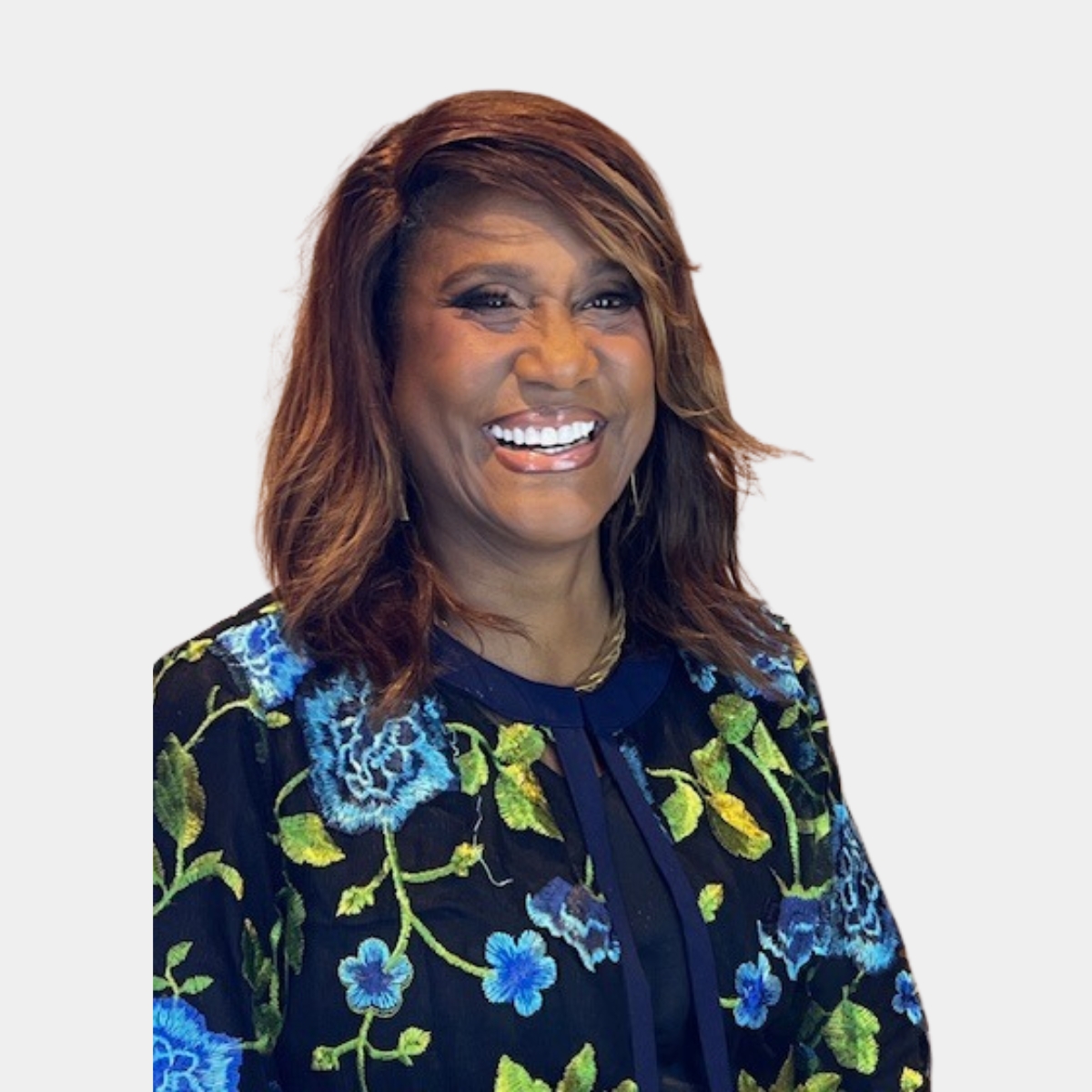
Article by
Franne McNeal
Franne McNeal, President, Significant Business Results LLC is known for helping architecture, engineering and construction firms with $1M-$20M in annual revenue, build scalable, transferable companies that increase in value, reduce owner dependence, and create more options for growth, succession, or sale. She help architects, engineers and construction firms become more valuable, so they don't collapse when the owner steps back. She solves the problems of low margins, inconsistent revenue and pressure to lower prices, by helping clients create a business that is an asset (one that runs without them), based on a proven system 8-pillar framework to increase the value of a business by 71%. Her clients are empowered to move from being indispensable operators to intentional builders of enduring businesses, so they create financial & personal freedom. Franne "FranneTastic" McNeal has helped 886+ small business owners collectively create 15,000 jobs and nearly $11 billion in revenue. She helps clients focus their energy for action to achieve significant business results.