
Your Firm Is Already Being Valued Every Day by Your Surety, Your Banker and Your Best People

Your firm is already being valued every day by your surety, your banker, and your best people. Each sees the business from a different perspective, but all are judging how reliably it performs, adapts, and supports the people who depend on it. Those impressions affect more than financing and bonding. They also reflect whether the company can grow without relying on the owner’s daily involvement.
It’s natural to focus on the next project, hire, or cash-flow demand. A bigger opportunity is to connect those decisions to a stronger, more independent business. This article explains what financial partners assess, what employees learn from your leadership and operating practices, and how to turn those signals into practical improvements. The aim is consistent performance, clear responsibilities, and sustainable growth.
Key Takeaways
• Keep financial statements timely and transparent so a surety can assess your management, operating capacity and financial position clearly.
• Track bonded work, project receivables and cash needs together to understand how active contracts affect borrowing flexibility.
• Document key processes and develop capable leaders so essential knowledge and client relationships don’t depend on you alone.
• Connect profitable growth with stronger systems and reduced owner dependence to build a more durable, valuable business.
Table of Contents
• The surety underwriting framework of character, capacity, and capital
• How do banks value a construction company when making lending decisions?
• How do employees and key people influence a construction firm's value?
The surety underwriting framework of character, capacity, and capital
Surety underwriting considers character, capacity, and capital to assess whether a contractor can complete promised work and meet obligations. The same evidence gives lenders and employees different indications of the firm’s resilience.
Working Capital and Bonding Capacity
Working capital is short-term resources available to cover near-term bills, while net worth is assets minus liabilities. Both matter because they show the financial cushion available when project costs arrive before customer payments. Sureties generally use 10 to 20 times adjusted working capital to estimate the total amount of bonded work a contractor may support. A startup should limit personal card use, pay bills on time, and avoid treating a working-capital credit line as startup capital. Debt, weak records, or stretched project commitments can reduce capacity.
Different Views of Company Value
A surety weighs project completion and financial support; a bank focuses on repayment and collateral; employees look for stable leadership and a future at the firm. Each responds to different evidence. Valuation methods also vary: an EBITDA multiple applies a factor to earnings before interest, taxes, depreciation, and amortization, while an asset-based method compares assets with liabilities. One emphasizes earning power, the other balance-sheet resources.
Surety and contractor requirements vary with state, industry, and project conditions. Retention and succession planning support continuity by ensuring knowledge and client relationships are shared, not concentrated in one key person. Low working capital, debt, claims, weak records, or commitments that exceed staffing and project capacity can undermine bonding, borrowing, and employee confidence.
How do banks value a construction company when making lending decisions?
A lender wants to see a credible path from project revenue to loan repayment. For each active job, review its expected margin, billing schedule, collection timing, and remaining costs. When interest rates are high, borrowing costs become more consequential, so cash-flow forecasts should show how repayments fit alongside payroll, suppliers, and operating expenses. A signed contract alone does not show when cash will arrive.
Make sure project assumptions reflect actual operating constraints. Rising material costs can narrow margins, labor shortages can slow delivery, and limited subcontractor availability can leave work uncovered. Update forecasts when a crew is unavailable, a subcontract changes, or a schedule shifts. Include regulatory compliance tasks and their demands in project planning rather than treating them as separate from delivery.
Receivables from public projects also require careful treatment. If a borrower defaults, receivables tied to public works may be impaired or effectively unavailable as collateral. Banks financing contractors on these projects should require reporting on bonded contracts and claims activity, then monitor receivables from public entities. Keep the lender informed with clear project updates, including collection status and any claims activity.
Before a lending discussion, prepare a current project forecast that connects costs, billing milestones, staffing, subcontract coverage, and expected collections. Explain material changes with job records, not broad assurances. For broader planning around operational performance and resilience, AEC business growth planning can complement disciplined lender reporting.
A new construction company should first complete a few private jobs profitably before pursuing public work. Its written plan should project the pipeline for at least three years.
How do employees and key people influence a construction firm's value?
People contribute to value through the work they deliver and the knowledge they hold. If one project manager controls every client relationship, schedule detail, and subcontractor commitment, the firm depends on that person. Their departure can disrupt delivery, weaken client confidence, and draw the owner back into daily problem-solving.
Map the roles that keep projects moving: estimating, project management, field supervision, finance, and client service. Name a backup for each role and document the decisions they own. A project manager should be able to explain current commitments, risks, and next steps without relying on the founder’s memory. That makes continuity visible and workable.
Retention matters because experienced employees preserve project knowledge and help prevent avoidable disruption. Give key people clear responsibilities, useful performance measures, and regular conversations about workload and development. For example, compare labor needs with the upcoming project schedule. This can reveal capacity gaps before they affect deadlines, margins, or employee confidence.
Succession planning involves more than choosing a future leader. It means transferring customer relationships, estimating judgment, and operating knowledge before a transition becomes urgent. Have a senior employee lead a client meeting, then review the follow-up and decisions together. Repeat the process with project reviews and key vendor discussions to broaden ownership of important relationships.
When capable employees can maintain standards without the owner directing every decision, the company becomes less founder-dependent and more durable. If you’re ready to build stronger systems and leadership depth, explore ways to build a business that runs without you.
Significant Business Results: Improve revenue, performance and long-term value for architecture, engineering and construction business owners.
Significant Business Results helps AEC owners improve performance, reduce operational risk, and build a business that runs without them. Turn to this support when project demands, inconsistent revenue, or founder-dependent decisions make sustainable growth difficult. Its 8-pillar framework is designed to help create a business asset and increase its value by 71%.
The focus is on connecting stronger systems with better financial and operational performance, so owners can spend less energy managing every detail and more time building a durable company. If you’re ready to explore a more self-sustaining business, visit Significant Business Results.
Turn outside assessments into a stronger operating plan
Your firm is already being valued every day by your surety, your banker, and your best people, and their judgments can guide what you build next. Choose one point of dependence that still draws you into daily decisions, such as approving estimates or resolving project handoffs. Assign clear ownership, document the process, and schedule regular reviews so the change becomes part of how the firm operates.
That is how leadership moves from reacting to every pressure toward shaping a company with greater resilience and room to grow. The next step is to decide which operating constraint matters most, then give it deliberate attention. For support turning that priority into a stronger business, contact Significant Business Results. Your firm can keep advancing while you build a business designed for the future.
Frequently Asked Questions
What does “Your Firm Is Already Being Valued Every Day by Your Surety, Your Banker and Your Best People” mean?
It means people form judgments about your company through their decisions and experiences over time, not only during a sale. A surety considers whether your firm can fulfill bonded work, a lender assesses repayment and collateral, and employees evaluate leadership, opportunity, and stability. Repeated project delays, for example, may affect confidence before they appear in a formal valuation.
How do surety companies evaluate a construction firm's financial strength and value?
Sureties assess financial strength alongside management experience, project history, and current commitments. They may review cash flow, balance sheet, and income statements, along with a business plan, key employees, and customer contracts. Underwriters generally want three years of year-end financial statements, submitted within 90 to 120 days after fiscal year-end. For a startup, complete personal financial statements and responsible credit use also matter.
What steps can contractors take to improve their firm's perceived value?
Make the firm easier to understand and less dependent on any one person. Keep project records aligned with actual costs, document how estimates become budgets, and assign decision-making ownership across the team. Before accepting commitments, check that planned work matches available cash, staff, and management capacity. These practices help stakeholders see consistent execution, clear accountability, and a business that can sustain performance beyond its owner.
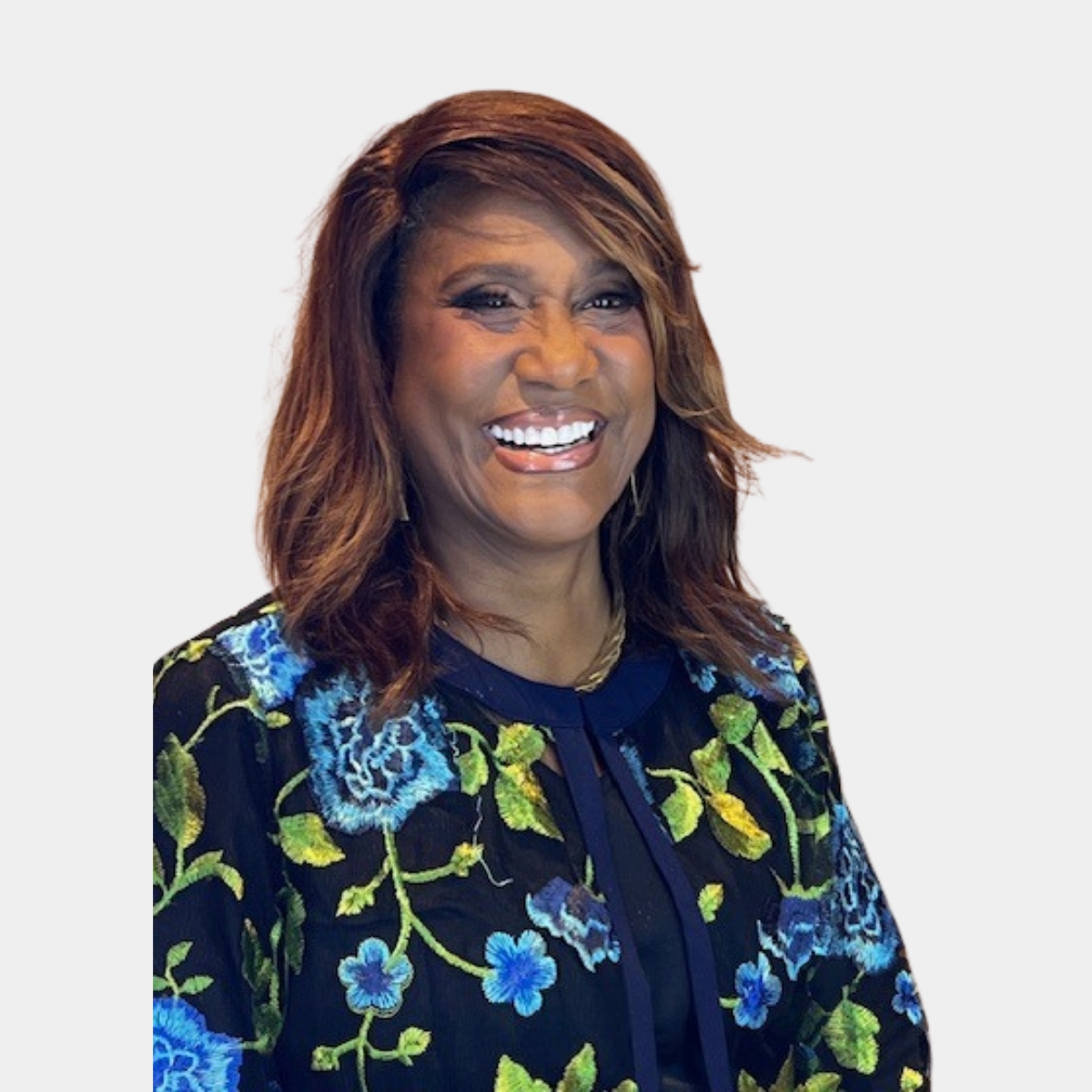
Article by
Franne McNeal
Franne McNeal, President, Significant Business Results LLC is known for helping architecture, engineering and construction firms with $1M-$20M in annual revenue, build scalable, transferable companies that increase in value, reduce owner dependence, and create more options for growth, succession, or sale. She help architects, engineers and construction firms become more valuable, so they don't collapse when the owner steps back. She solves the problems of low margins, inconsistent revenue and pressure to lower prices, by helping clients create a business that is an asset (one that runs without them), based on a proven system 8-pillar framework to increase the value of a business by 71%. Her clients are empowered to move from being indispensable operators to intentional builders of enduring businesses, so they create financial & personal freedom. Franne "FranneTastic" McNeal has helped 886+ small business owners collectively create 15,000 jobs and nearly $11 billion in revenue. She helps clients focus their energy for action to achieve significant business results.