.png)
How do I get my Architecture firm to run without me so I can actually take a vacation?

Table of Contents
• The Trap of the Indispensable Architect: Why Your Firm Demands 60+ Hours
• Implementing the 8-Pillar Framework to Reduce Owner Dependency
• Transitioning to Intentional Builder: Roadmap to Freedom
The Trap of the Indispensable Architect: Why Your Firm Demands 60+ Hours
If you feel chained to your desk while your architecture firm buzzes around you, you’re not alone. You’re likely caught in the “Founder’s Trap,” a common scenario where every critical decision, client relationship, and design approval flows directly through you. The 60-hour workweeks become a baseline, not an exception, because the business is built on your personal expertise and constant intervention. You are the firm’s greatest asset and its most significant bottleneck.
This problem is magnified in the Architecture, Engineering, and Construction (AEC) industry. AEC principals constantly battle a storm of low margins, intense price pressure, and cash flow challenges. To maintain profitability, you’re forced to take on more work, oversee more projects, and personally manage key client accounts. The industry’s culture often mistakes this grueling schedule for a badge of honor, but it’s a direct symptom of a business model that is entirely dependent on its owner. This dependency is not just a personal burden; it actively devalues your firm. A business that cannot function without its founder is not a sellable asset—it’s just a high-stress job.
The High Cost of Organizational Noise and Labor Shortages
The current economic climate adds another layer of complexity. Persistent labor shortages and a limited pool of reliable subcontractors mean that you, the owner, are often pulled back into technical and operational roles you should have delegated years ago. Every time a project manager needs guidance or a client has a question, the workflow defaults to you. This "organizational noise" prevents you from focusing on high-level strategy and growth.
Being indispensable is not a measure of success; it’s a critical risk factor. What happens if you get sick, need to attend to a family emergency, or simply want to take a two-week vacation? If the firm’s operations would grind to a halt, you haven’t built a resilient business. Potential buyers or successors see this dependency as a liability that significantly lowers the company’s value. The first step toward freedom is recognizing that your firm’s over-reliance on you is a systemic problem that can, and must, be solved.
Implementing the 8-Pillar Framework to Reduce Owner Dependency
Breaking free from the Founder’s Trap requires a deliberate shift from a personality-driven practice to a systems-driven business. The solution lies in building an operational structure that can thrive independently. This is where a proven methodology becomes essential. The Value Builder System™ offers an 8-pillar framework designed specifically to increase your firm’s value by a potential 71% by systematically reducing its dependency on you.
A core principle of this framework is addressing the "Hub and Spoke" driver of value. In a dependent firm, the owner is the hub, and all employees and clients are spokes. If the hub is removed, the wheel collapses. To build a valuable, independent company, you must create systems that allow the spokes to connect and function without your constant involvement. The ultimate litmus test for this is the "Vacation Test": Can your firm operate seamlessly, maintain client satisfaction, and remain profitable while you are completely disconnected for two weeks? Passing this test means you’ve built a true asset. To understand all eight drivers in detail, you can download the 8 key drivers of company value ebook.
Productizing Services to Combat Price Pressure and Inconsistent Revenue
One of the most effective ways to reduce owner dependency is to move away from bespoke, hourly billing and toward productized services. While architecture is inherently creative, many components of your workflow—from feasibility studies and schematic designs to construction documentation—can be standardized into repeatable packages with defined scopes and prices. This shift accomplishes two critical goals.
First, it empowers your team to sell and deliver services without your direct oversight on every proposal. Second, it creates predictable revenue streams that insulate your firm from the industry’s notorious cash flow fluctuations. By developing recurring revenue models, such as ongoing maintenance contracts or phased consulting retainers, you build a stable financial foundation. This financial freedom is precisely what allows a principal to step back from daily fire-fighting and focus on strategic direction.
Transitioning to Intentional Builder: Roadmap to Freedom
The journey from an overworked operator to a liberated owner requires a fundamental mindset shift. You must evolve into an "Intentional Builder"—a leader who works on the business, not just in it. An Intentional Builder’s primary role is to design the company itself: its systems, its culture, and its long-term strategy. This means stepping away from drafting tables and client meetings to focus on building the operational machine that generates value.
Navigating this transition amidst economic chaos—marked by high interest rates, shifting regulations, and market uncertainty—is challenging. This is where executive leadership coaching provides the strategic clarity and accountability needed to stay the course. A coach acts as a strategic partner, helping you identify the systems that will have the greatest impact and guiding you through the difficult process of letting go. To begin, it’s crucial to get a clear, objective measure of your firm’s current level of owner dependency. Taking a Value Builder Assessment will provide a confidential score and a personalized report identifying your firm’s specific vulnerabilities.
The Mastermind Approach: Peer-to-Peer Learning for AEC Principals
Implementing new systems in a vacuum is difficult. The most successful AEC leaders surround themselves with peers who are facing similar challenges. The Significant Business Results Mastermind provides a structured environment for AEC principals to share insights, gain fresh perspectives, and hold each other accountable for making real progress. This collaborative approach accelerates the implementation of systems needed to achieve operational independence.
With a solid plan and a support network, you can begin testing your firm’s resilience. The "Test Vacation" is a practical strategy to audit your progress. Start with a three-day, completely unplugged trip. Did operations run smoothly? Were there any fires only you could put out? Analyze the results with your team, fix the gaps, and then plan for a full week away. This iterative process systematically builds your firm’s capacity to run without you, turning your dream of a real vacation into an achievable reality and, more importantly, a high-value, self-sustaining business.
Ready to build a firm that thrives without your constant presence? Request a Strategic Planning Session to build a firm that runs without you.
Frequently Asked Questions (FAQs)
How much can The Value Builder System™ actually increase my firm’s worth?
Based on a study of over 55,000 businesses, companies that use The Value Builder System™ and improve their score to 90 or above (out of a possible 100) receive offers that are, on average, 71% higher than the average business. This increase is a direct result of building a company that is less dependent on the owner and has predictable, recurring revenue streams.
What are the first steps to take if I am overwhelmed by the daily operations of my architecture firm?
The first step is to get an objective baseline. Take the Value Builder Assessment to identify which of the eight value drivers are making your business dependent on you. The second step is to start documenting your core processes. Even simple checklists can empower your team to handle tasks without your intervention, immediately reducing your daily workload.
Can an architecture firm really run without the founder’s constant involvement?
Absolutely. It requires a strategic shift from a "practitioner" mindset to a "business owner" mindset. By implementing standardized systems, developing a strong leadership team, and productizing your services, you can create a firm that operates on its established processes rather than your personal presence.
How do I handle clients who insist on only speaking with the principal?
This is a common challenge that stems from how the firm was initially positioned. The solution is to gradually transition client relationships to a capable project manager or lead architect. Start by including them in all meetings, then empower them to lead correspondence. Reassure the client that this new point of contact has your full confidence and is empowered to make decisions, ensuring them of continued quality and service.
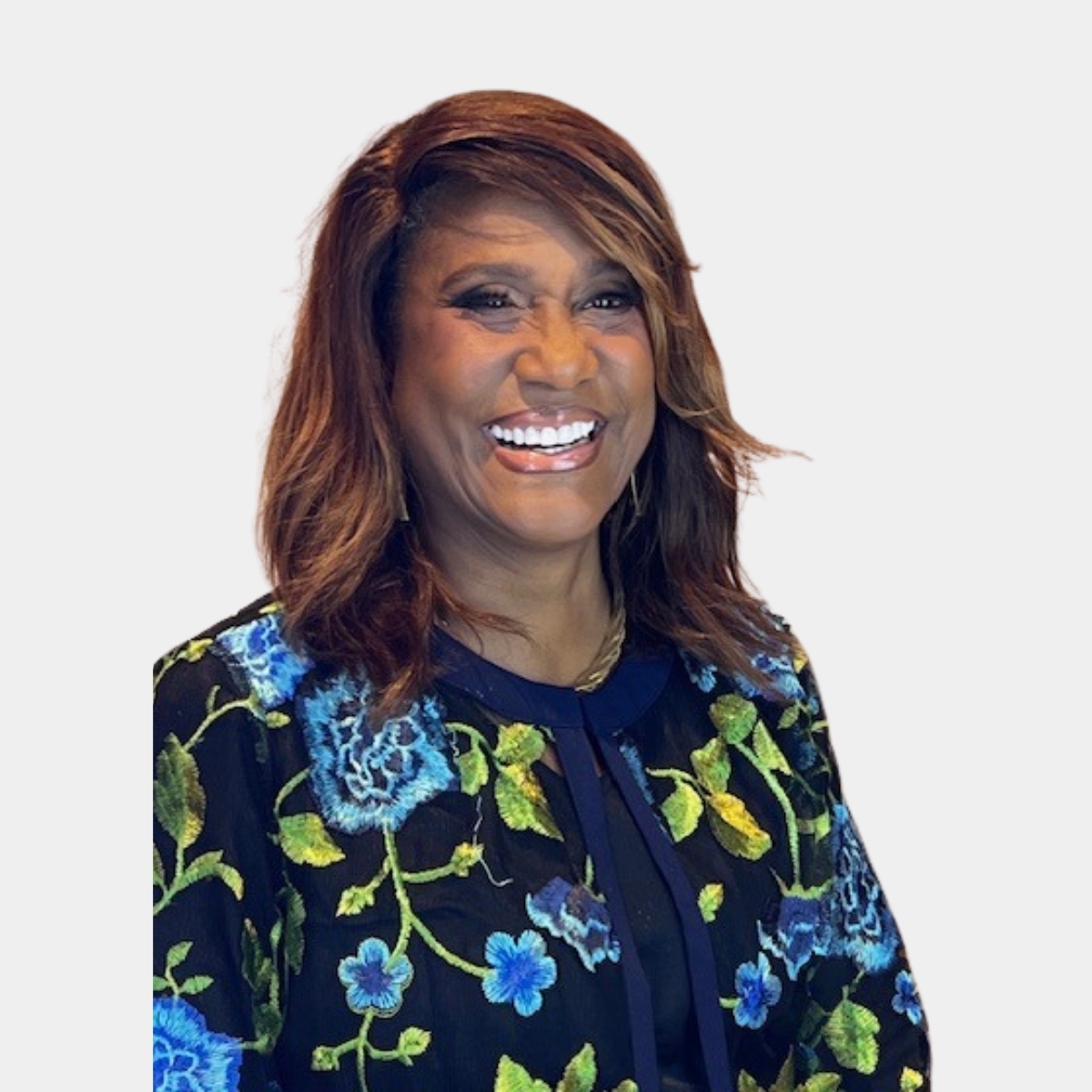
Article by
Franne McNeal
Franne McNeal, President, Significant Business Results LLC has helped 885+ small business owners collectively create 15,000 jobs and nearly $11 billion in revenue. I build architecture, engineering and construction (AEC) firms that are worth more and don't collapse when the owner steps back. We help architecture, engineering, and construction industry business owners with $1M-$20M in annual revenue, transform founder-dependent businesses into scalable, high-value enterprises. We solve the problems of low margins, inconsistent revenue and pressure to lower prices, by helping clients create a business that is an asset (one that runs without them), based on a proven system 8-pillar framework to increase the value of a business by 71%. We empower owners to move from being indispensable operators to intentional builders of enduring businesses, so they create financial & personal freedom. Our clients focus their energy for action to achieve significant business results.